Minimalist Line Flower
As an embroidery designer and product reviewer, I often find myself evaluating machine embroidery designs for real-world use. Minimalist Line Flower caught my attention not just for its clean aesthetic, but for how it could translate into practical, high-quality projects. Let’s dive into what this design offers and where it truly shines.
The First Impression: Simplicity with Purpose
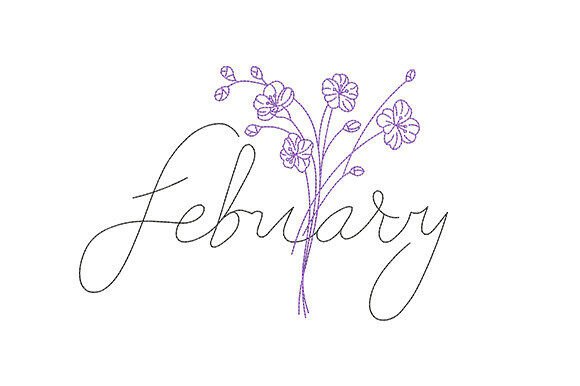
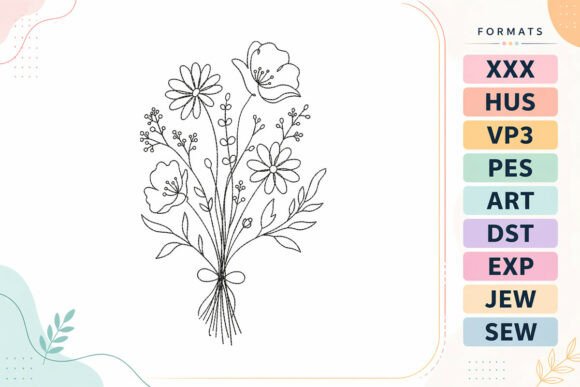
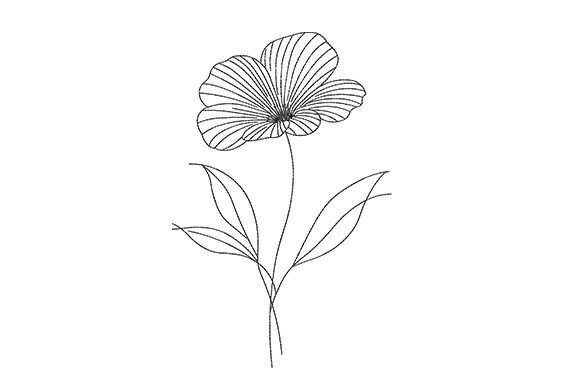
Minimalist Line Flower is exactly as the name suggests—clean, elegant, and focused on line work rather than dense fills or intricate details. The design uses a series of flowing lines to create the shape of a flower, giving it a soft, artistic feel. It doesn’t scream for attention, but it commands respect through its subtlety. This makes it ideal for projects that require a touch of sophistication without overwhelming the overall look.
The layout is balanced, with enough negative space to let the design breathe. It feels like a perfect fit for items that need a subtle yet recognizable embroidered element, such as a tote bag design or a baby onesie. The theme is timeless, making it versatile across different seasons and occasions.
Real-Life Use: Where Minimalist Line Flower Excels
I tested this design on a custom sweatshirt for a client who wanted something modern and understated. The result was impressive. The lines were crisp, and the stitch density allowed the design to sit nicely on the fabric without looking too heavy. It worked well on both light and dark fabrics, especially when paired with a contrasting thread color.
For a small shop product, Minimalist Line Flower could be a great addition to a line of handmade home decor items. Imagine it on a pillow cover or a kitchen towel—simple enough to blend into any space, yet distinctive enough to stand out. It also pairs well with other minimalist designs, making it a valuable asset in a digital embroidery file collection.
This design would also work well as an embroidered patch. Its outline style means it can be easily adapted for applique or even a satin stitch version if needed. It’s also suitable for personalized gifts, such as a custom cap or a holiday ornament, where the focus is on the design rather than excessive detail.
Where to Be Cautious: Limitations and Considerations
While Minimalist Line Flower is a strong design, it’s not without limitations. On smaller hoop sizes, the detail may become less defined, so it’s best suited for larger hoops. If you’re working with textured fabrics, like denim or canvas, the lines might not show up as clearly. In such cases, adjusting the thread color or using a stabilizer can help improve visibility.
Thin or stretchy fabrics can also pose challenges. The design requires a bit of support to prevent puckering or distortion. A good stabilizer is essential, especially if you're planning to use it on a garment that will be worn frequently. For dark fabrics, a lighter thread color can make the design more visible, while on light fabrics, a darker thread can add contrast.
When it comes to commercial embroidery projects, it’s important to check the licensing terms before selling finished products or digital files. Always confirm whether the design allows for resale or modification, depending on your business needs.
Impact on Visual Appeal and Customer Perception
Minimalist Line Flower adds a refined touch to any project. Its clean lines and minimal approach make it highly adaptable, which is a big plus for craft businesses looking to offer a range of products. Customers often appreciate designs that are simple yet meaningful, and this one fits that bill perfectly.
In terms of product value, this design can elevate a basic item into something special. Whether it's a custom tote bag or a personalized gift, the presence of a well-executed embroidery design can increase perceived value and customer satisfaction. It also helps build brand consistency, especially for small shops or Etsy sellers who want to maintain a cohesive aesthetic across their offerings.
From a marketing perspective, this design works well in printable mockups and digital product previews. Its simplicity makes it easy to showcase in various settings, from social media posts to website banners. It’s also a great choice for holiday or wedding-themed projects, where the focus is on elegance and personalization.
Practical Designer Notes: What to Keep in Mind
Before using Minimalist Line Flower in a project, always test it on scrap fabric. This helps you see how the design looks on your chosen material and whether adjustments are needed. Pay close attention to the stitch density—too much can make the design look cluttered, while too little might leave gaps.
Check the hoop size required for the design. If it’s larger than what you typically use, consider whether your machine can handle it. Also, inspect the small details to ensure they’re clear and consistent. Testing the design in black and white mockups can help you visualize how it will look on different backgrounds.
Finally, make sure the design aligns with your business goals. Whether you're creating a handmade product for a craft fair or preparing a digital embroidery file for sale, understanding the design’s strengths and limitations is key to success.
Final Thoughts: A Design That Delivers
Minimalist Line Flower is a solid choice for designers and crafters looking for a clean, adaptable embroidery design. It’s not overly complex, but that’s part of its charm. It works well in a variety of projects, from custom apparel to personalized gifts, and it brings a level of professionalism to any finished product.
If you’re an Etsy seller or a small shop owner, this design could be a valuable addition to your collection. Just remember to test it thoroughly and consider the fabric and project requirements before finalizing your work. With the right approach, Minimalist Line Flower can become a staple in your embroidery toolkit.